Crash and road risk analysis
We examine crash data and the structure of the road network to find crash clusters, their causes and the measures that will reduce the number of people killed and injured.
We examine crash data and the structure of the road network to find crash clusters, their causes and the measures that will reduce the number of people killed and injured.
Crash statistics show where crashes have already happened. The analysis explains why they happen and where the risk is high even though no serious crashes have occurred yet.
The work is needed for crash reduction programmes, for justifying measures on specific sections and for reporting to government bodies.
We obtain crash records for several years, traffic volume data and information on measures already implemented.
We check the completeness and location referencing of the data and build series by crash type and road user.
We find sections with recurring crashes and plot them on a map.
We visit priority sections and compare the crashes with road conditions.
We prepare a list of measures with priorities and an estimate of their effect.
For the economic assessment of losses the Institute has its own development - the "Express Methodology for Calculating the Average Statistical Value of a Life Lost in a Road Crash", entered in the State Register of Rights to Copyright Objects in 2024.
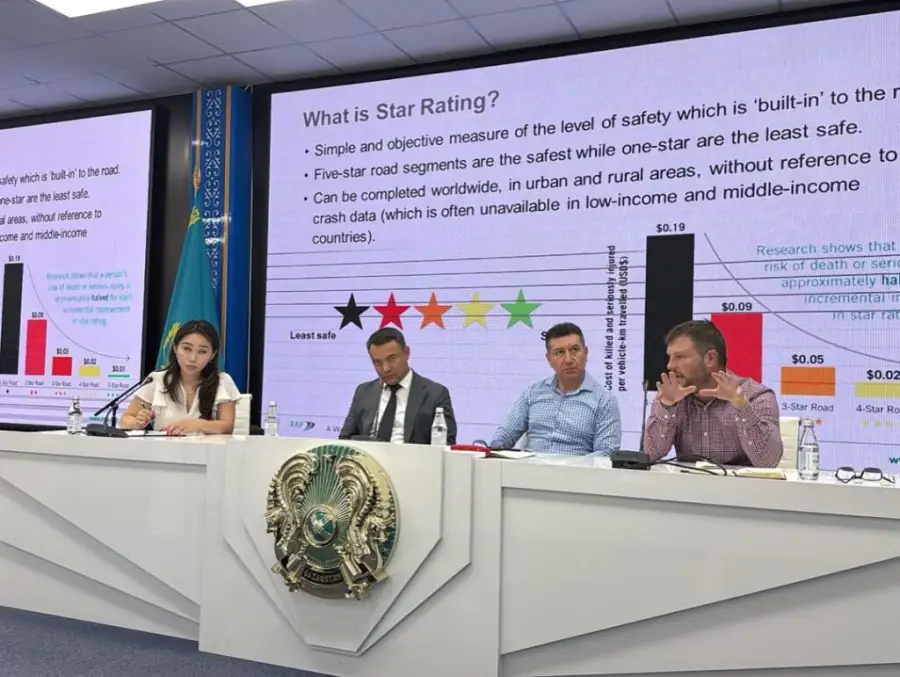 Shymkent: strategic road safety meeting with iRAP experts
The meeting was held as part of the development of the Road Safety Strategy of the Republic of Kazakhstan. At a round table with the local authorities, police and transport services, participants identified priority steps to reduce crashes on the city's roads.
More about the project
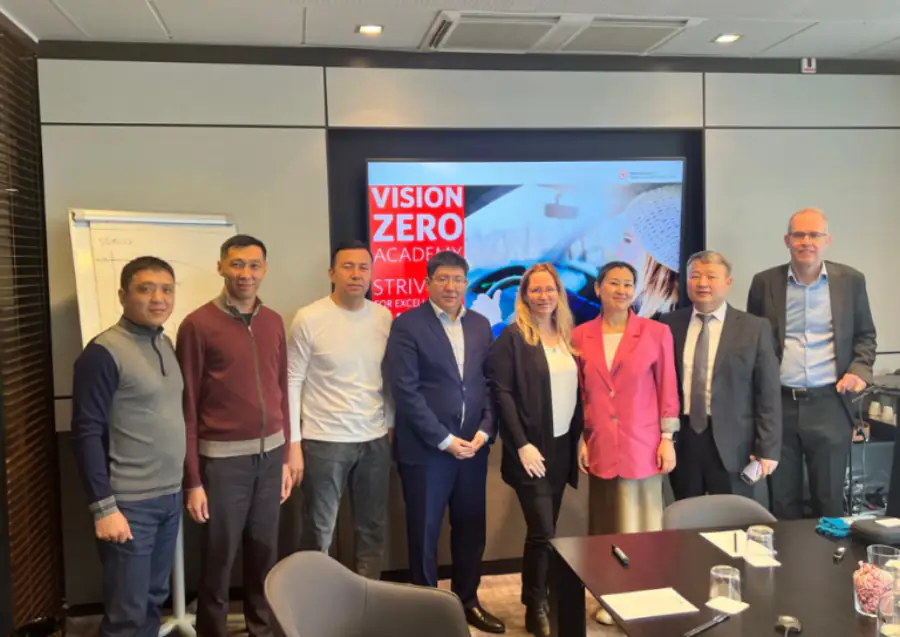 Departmental standard "Road Safety Procedures"
A draft departmental standard "Road Safety Procedures" is being developed on assignment from the Committee for Roads of the Ministry of Transport. The Institute takes part in the work, including the exchange of experience with Swedish specialists.
More about the project
Describe the road section or network and the result you need - we will prepare a proposal on the scope of work and timing.
Describe the task - network length, road type and the required output. We will reply within one working day.