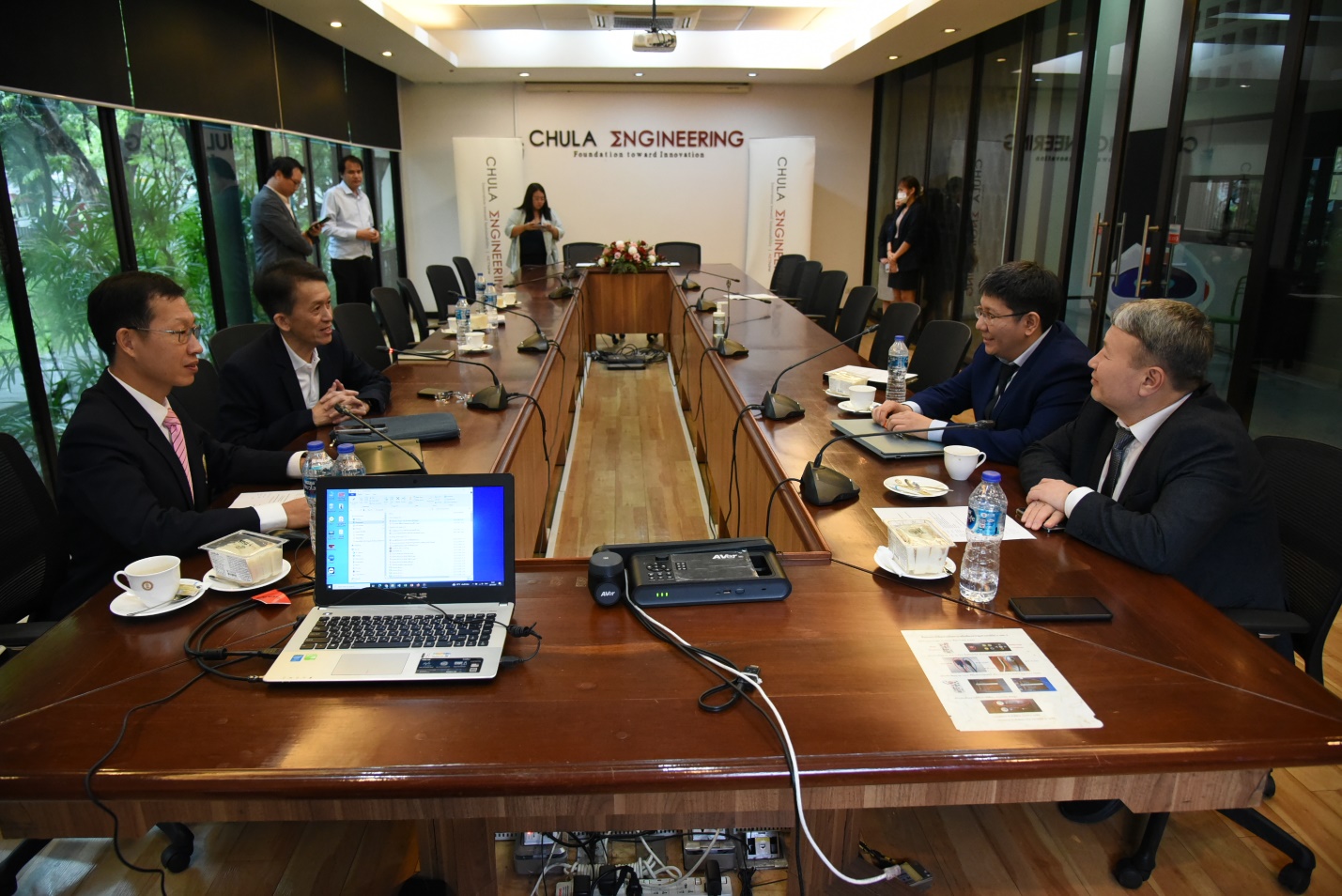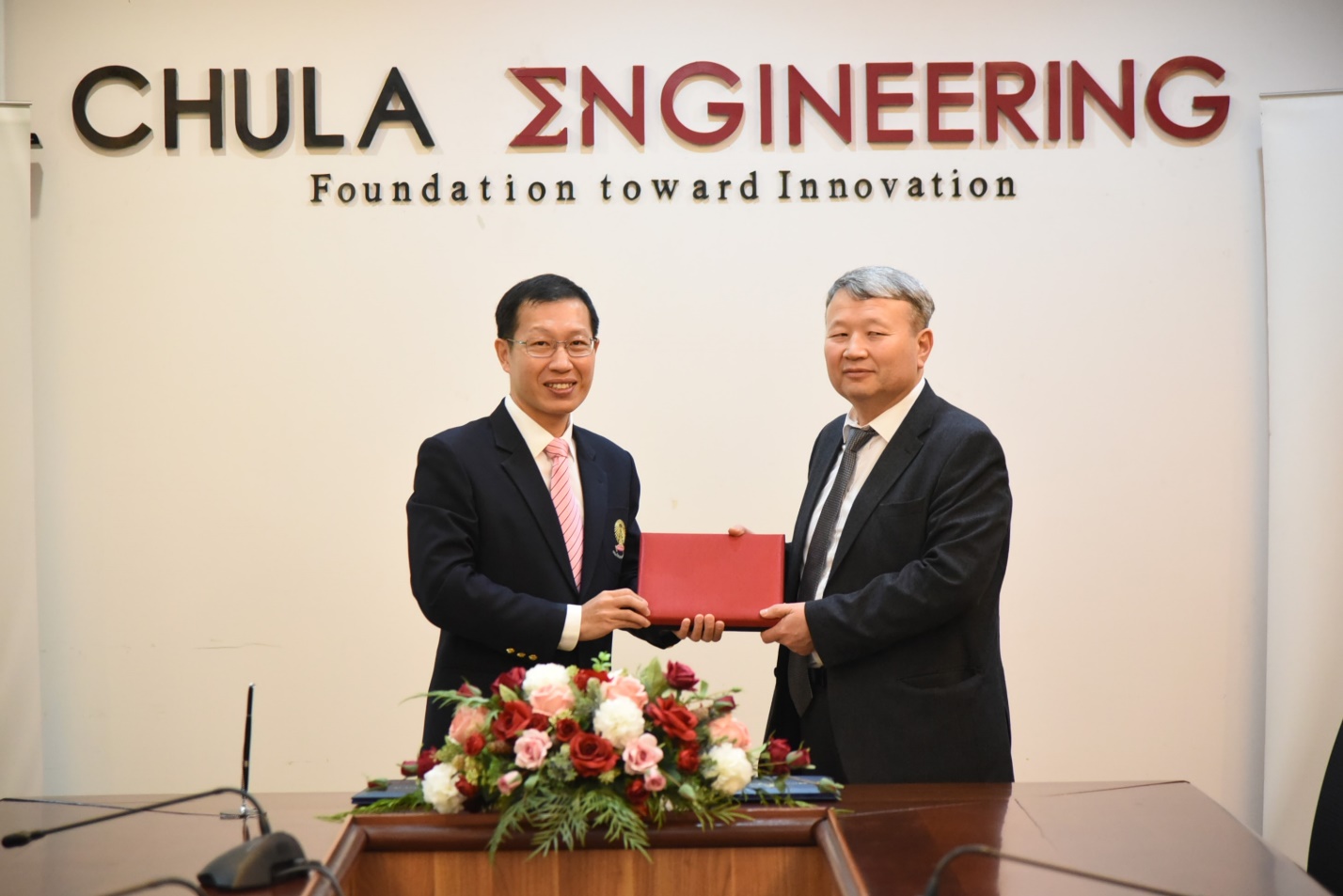
On 20 March 2024, the Kazakh Scientific Research Institute for Road Safety held a working meeting with the Faculty of Engineering, Chulalongkorn University. As part of its work to improve road safety in the Republic of Kazakhstan and to learn from international best practice, the Institute met the deputy deans and leading researchers of the Faculty to study Thailand's experience and build a strategic partnership with the Faculty of Engineering, Chulalongkorn University. A memorandum of understanding and cooperation was signed during the event. This step marks the beginning of a new stage of cooperation between two leading research organisations in the field of road safety.
The memorandum provides for joint efforts by the two leading research institutes to reduce the road crash rate, fatalities and the severity of road crashes. The main areas of cooperation include road safety, the implementation and development of the International Road Assessment Programme (IRAP) and other areas of road safety.
The meeting discussed the possibility of Thai scientists taking part in drafting the departmental standard "Road Safety Procedures", which KazdorNII JSC is developing jointly with the Kazakh Scientific Research Institute for Road Safety LLP under an assignment from the Committee for Roads of the Ministry of Transport of the Republic of Kazakhstan.
In 2018, ThaiRAP (the Thailand Road Assessment Programme) was established at the Faculty of Engineering, Chulalongkorn University; it operates under the single umbrella of the global International Road Assessment Programme. Since its launch, 8,000 highways have been assessed, along with hundreds of regional roads in Bangkok, Phuket and other regions.
The Faculty of Engineering, Chulalongkorn University makes a significant contribution to improving road safety in Thailand, and studying the practices, standards and strategies it applies will build the capacity of Kazakhstan's road safety specialists. Working together will have a positive impact on road safety not only in our countries but across the Central Asian and Asia-Pacific regions as a whole.